At a Pennsylvania truck plant, President Trump just promised tariffs, cheaper trucks, and a harder “America First” push that could reshape the economy for workers and elites alike.
Story Snapshot
- President Trump delivered a campaign-style speech at the Mack Trucks plant in Macungie, Pennsylvania, tying trade, energy, and jobs to his America First agenda.
- He highlighted steep tariffs and looser fuel rules as tools to protect U.S. manufacturing and keep truck production on American soil.
- He claimed progress on inflation, gas prices, and jobs, drawing sharp contrasts with past Democratic policies and globalist trade deals.
- He urged Pennsylvanians to back Republicans in key races, blending factory talk with election messaging that fed worries about a government serving insiders over workers.
Trump Brings Campaign Energy to a Working Truck Plant
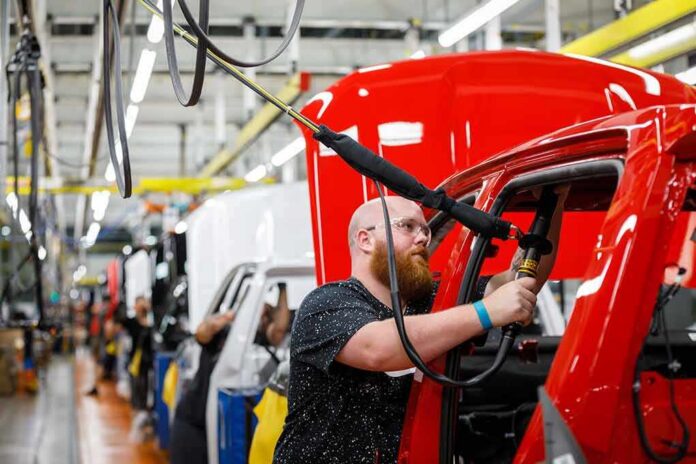
President Donald Trump spoke on June 23 at Mack Trucks’ Lehigh Valley Operations facility in Macungie, Pennsylvania, turning a factory visit into a high-energy political event. The plant floor became a rally space as employees, local officials, and supporters gathered to hear him link national policy to their daily work. Reporters on the scene described the speech as “campaign-style,” with the president urging the crowd to back Republicans in upcoming elections while praising Mack Trucks as a symbol of American strength.
Local and national outlets noted that thousands of people waited in the rain for hours to get inside, a sign that the visit was about more than a normal policy talk. Trump opened by praising the “hardworking patriots” of the Lehigh Valley and framed the plant as proof that American industry could still thrive if leaders chose workers over global elites. This mix of factory tour, patriotic language, and direct appeals for votes looked familiar to both supporters and critics who see these stops as part rally, part economic message.
Tariffs and Energy Rules at the Center of His Economic Pitch
During the speech, Trump put trade policy front and center, telling the crowd that steep tariffs had helped bring factories and jobs back to the United States. He highlighted a 25% tariff on foreign cars and on medium and heavy-duty trucks, saying those measures made it cheaper and smarter for companies to build plants inside America and hire American workers. He also cited tariffs of 50% or more on foreign steel and other metals, arguing they stopped other countries from “stealing your jobs” by undercutting U.S. producers.
Trump tied these moves to Mack Trucks’ future, claiming that “all American roads will be filled with American trucks very shortly” if his policies stay in place. He said companies that do not want to pay tariffs have one simple option: build their factories here and use American labor. Supporters in the crowd cheered these lines because they speak directly to long-running worries about offshoring, plant closures, and a system that many workers feel was rigged by global trade deals and corporate lobbyists.
Rolling Back Fuel Rules and Attacking Electric Vehicle Mandates
Energy and environmental rules were another major theme. Trump told the audience he had ended what he called an “insane electric vehicle mandate” and terminated fuel emission standards that he said would have “crushed Mack Trucks.” He argued that these rules, put in place before his return to the White House, forced too fast a switch to electric vehicles, many of them built overseas, at the expense of U.S. factories and traditional truck makers.
Imagine running for Congress, saying you'll fight for working families…
…then selling them out to whatever Donald Trump wants.
Trust us — Lehigh Valley has noticed the skyrocketing cost of everything from groceries to healthcare.
November can't come soon enough,…
— PA Democratic Party (@PADemParty) July 20, 2026
Trump said that by relaxing those standards, truck makers could keep offering diesel and hybrid models alongside electric ones, and sell them “for much less money” while keeping production in American plants. This message appealed to many conservatives who are angry about higher energy costs and feel green rules were written to please elites and foreign governments, not working drivers. It also hit a nerve with some liberals who worry that rapid policy swings, without clear long-term planning, deepen the gap between rich decision-makers and families struggling to afford basic transportation.
Claims on Inflation, Jobs, and a System That Favors Elites
Trump used the Mack Trucks visit to claim that his policies were easing inflation and lowering gas prices, contrasting them with the record under former President Joe Biden. He pointed to a “historic peace agreement” with Iran and lower oil prices, and said the stock market had risen while average gas prices fell about 60 cents from their peak. He also cited job growth figures, including thousands of new manufacturing jobs in Pennsylvania, although some numbers lacked clear time frames.
At the same time, local reporting noted that Mack Trucks itself has faced layoffs and tense labor talks, showing that the picture on the ground is more mixed than a single speech suggests. Trump urged managers and union leaders to work together as the company pursues a major truck contract. For many listeners, this captured a deeper worry shared across party lines: even when presidents talk about jobs and growth, big contracts, global markets, and political battles in Washington often decide what happens to workers more than any promise made at a podium.
America First, Election Appeals, and Shared Frustration With Washington
Throughout the event, Trump wrapped his economic pitch in an “America First” message, saying his administration put American workers ahead of China, illegal immigration, and global institutions. He criticized “globalist politicians” who he said had allowed factories to move overseas and let other countries “rip you off” for decades. He urged Pennsylvanians to vote Republican in the midterms and backed local candidates, blending policy talk with direct electioneering.
For many conservatives in the crowd, this felt like long overdue support after years of frustration with trade deals, woke corporate agendas, and rising costs. For many liberals watching, it reinforced fears about weaker environmental rules, tough immigration enforcement, and deeper divides between rich and poor. But on one point, the Mack Trucks rally spoke to a growing shared belief: the fight over tariffs, energy rules, and election power is really a fight over whether the federal government serves ordinary workers or the same small circle of political and corporate elites who have been running the show for years.
Sources:
youtube.com, democrats.senate.gov, ttnews.com, c-span.org, yahoo.com