Spanish officials warned that wildfires near Madrid were on the verge of merging across a regional border, raising the threat to towns already under evacuation orders.
Story Highlights
- Two wind-driven fires west of Madrid merged; a third in Ávila was close to joining
- Spain declared a national emergency for Madrid and Ávila as evacuations rose
- Strong winds and heat made containment harder and pushed flames toward communities
- Military units and regional crews coordinated across borders to slow the spread
Officials Report Fires Merging Near Madrid
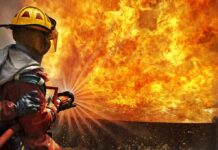
Regional emergency services said two of three wildfires west of Madrid had merged into one blaze as strong winds fanned flames overnight. A government representative in the neighboring Castilla y León region said a third fire in Ávila province was about to merge, or may already have merged, with the larger front. Reporters described the fires as the worst in the area’s recent history, with fast growth and shifting lines that challenged fire crews.
Spain’s government declared a national emergency for the Madrid region and nearby Ávila after officials confirmed at least two fires had combined and more could follow. The move aimed to speed resources, open military support, and expand command authority for evacuations and road closures. Broad European coverage also noted mass evacuations in parts of France, showing how the same heat and wind pattern strained response efforts across borders that the fire does not respect.
Weather, Terrain, and Cross-Border Risks
Fire commanders said wind gusts and dry fuels drove long flame fronts toward communities and transport routes. Hot, unstable air created spot fires ahead of the main line. That forced crews to defend homes while also cutting lines in steep, forested terrain. The risk of the Ávila perimeter meeting the Madrid fire grew as winds aligned with canyons and roads, which often act like chimneys. Officials warned residents to follow orders quickly as conditions could change within minutes.
Authorities across central Spain faced several major fires at once, which stretched aircraft rotations and ground teams. Local outlets and wire services used terms like “merged,” “about to merge,” and “threatening to merge,” reflecting the speed of events before precise perimeter maps were available. That communication pattern is common in fast-moving wildfire operations. It helps agencies coordinate and warn the public even while mapping and forensic data lag behind the front line.
Emergency Measures and What Comes Next
Spain activated broader emergency powers to move firefighters, aircraft, and police units where needed most. The national step followed regional actions and existing cooperation pacts for shared firefighting along borders. Commanders tried to box in the conjoined blaze at natural breaks, roads, and previous burn scars. The goal was to stop a larger “complex” from forming. Officials said the next 24 to 48 hours were critical as wind forecasts signaled more tough shifts through the evening.
There is "little time left" before a major wildfire in the Madrid region covering 6,000 hectares merges with a 9,000-hectare blaze in the neighbouring Castilla y Leon region, an official said Friday.
— CGTN Africa (@cgtnafrica) July 24, 2026
For people in the path, the advice was basic but urgent: keep phones charged, pack medicines and key papers, and leave when told. For the rest of us, this is a reminder that big systems often fail under stress when plans meet real-life limits. When warnings bounce between agencies and regions, families need clear, fast answers. That demand is not left or right. It is a simple call for a government that can act first, explain plainly, and protect people without delay.
Sources:
insiderpaper.com, france24.com, dw.com