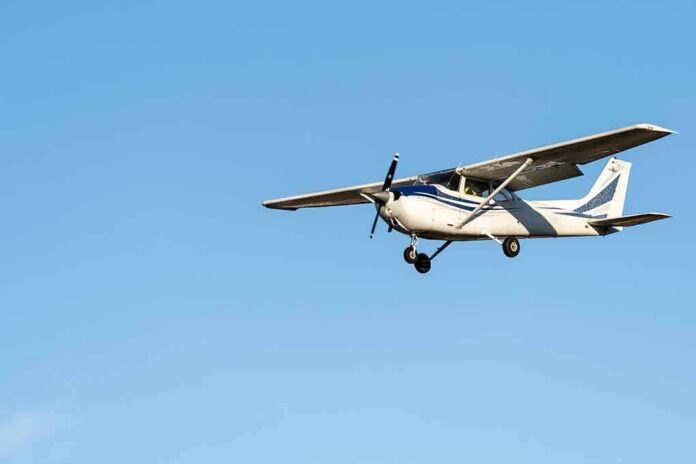
The Supreme Court is about to test whether Alaska can take a $95,000 plane over a six-pack of beer.
Quick Take
- The case turns on whether forfeiting the plane is a **grossly disproportional** punishment under the Eighth Amendment.
- Alaska’s high court said the forfeiture was lawful because state law treats aircraft used to move alcohol into dry villages as subject to mandatory seizure.
- Lower courts had earlier found the loss of the plane too severe for a misdemeanor case with a far smaller fine.
- The dispute has become a broader fight over property rights, forfeiture power, and how far states can go to deter alcohol smuggling.
What the Case Is About
Kenneth Jouppi was convicted in Alaska after a passenger brought beer onto his plane for a flight to a dry village. He received a short jail term and a $1,500 fine, but the state also sought to take the airplane itself, which was worth about $95,000. That gap between the punishment for the misdemeanor and the value of the plane is the core of the Supreme Court fight.
Alaska’s Supreme Court ruled that the forfeiture did not violate the Excessive Fines Clause. The court said the airplane was used to carry alcohol into a community where alcohol was banned, and Alaska law makes aircraft used that way subject to mandatory forfeiture. The court also said the forfeiture was not grossly disproportional when measured against the harm the legislature sought to prevent.
Why the Dollar Gap Matters
One reason the case has drawn attention is the math. The Alaska courts noted that the plane was worth about $95,000, while the maximum fine for the offense was $10,000, a ratio of about nine and a half to one. The petition for review says that kind of spread matters under the Supreme Court’s excessive fines cases, especially when the forfeiture becomes the main penalty instead of a side issue.
That framing has fueled criticism from people who see modern forfeiture law as too aggressive. Supporters of the state answer that Alaska has a strong interest in stopping alcohol from reaching dry communities, where officials say smuggling can bring serious health and public safety costs. The case therefore sits at a familiar crossroads: individual property rights on one side, and public safety and deterrence on the other.
What the Alaska Courts Found
The Alaska Court of Appeals earlier said the forfeiture was excessive because it was grossly disproportional to the offense. But the Alaska Supreme Court later rejected that view and said no further fact-finding was needed. In the state court’s view, the key facts were enough: the plane was used for alcohol transport, Alaska law required forfeiture, and the punishment fit the legislature’s anti-smuggling goal.
The record also matters because it undercuts the idea that this was a clean innocence case. The state court found Jouppi knew a passenger’s grocery bag held the six-pack, and a trooper testified that he “would have to be blind” not to see the beer. That evidence does not settle the constitutional question by itself, but it makes the state’s case stronger than a simple accidental-transport story.
🔴 Supreme Court to review Alaska seizure of pilot's Cessna over beer; Eighth Amendment challenge
Alaska sought to seize pilot Kenneth Jouppi's 1969 Cessna aircraft. Jouppi argues the forfeiture violates the Eighth Amendment's Excessive Fines Clause. The Supreme Court will… pic.twitter.com/p41GqEpwCO
— NewsTongue (@NewsTongueX) July 21, 2026
The Supreme Court’s review now opens a wider debate about forfeiture power. A ruling for Alaska could give states more room to seize expensive property even when the direct criminal penalty is small. A ruling for Jouppi could tighten the limits on forfeiture when the punishment looks far larger than the offense, which would matter far beyond one Alaska bush pilot and one six-pack of beer.
Sources:
cbsnews.com, law.justia.com, supremecourt.gov, newsmax.com, nytimes.com