One vote in Ottawa just turned “hate protection” into a street-level fight over whether Christians can still quote their own scriptures in public without legal jeopardy.
What Bill C-9 Actually Does, and Why That Detail Changes the Whole Argument
Bill C-9’s official title signals its intent: amend the Criminal Code on hate propaganda, hate crime, and access to religious or cultural places. The bill adds new offences aimed at intimidation and obstructing access to institutions, plus a hate-crime-related offence and restrictions connected to hate or terrorist symbols. That reads like basic public-order law. The political explosion came from one surgical change critics say rewires free expression.
Opponents calling it “anti-Christian” aren’t mainly objecting to shielding synagogues, churches, mosques, or temples from harassment. They’re focused on the repealed religious-exemption language that previously offered breathing room for religious discussion in the context of hate-speech rules. If your instinct is, “Surely Canada wouldn’t criminalize ordinary sermons,” that’s the point: the worry is not today’s prosecutions, but tomorrow’s standards, enforced by whoever holds power next.
The Removed Religious Exemption: Small Text, Big Consequences
The controversy centers on repealing Criminal Code provisions that had allowed expression of opinions on religious subjects without conviction for promoting hatred. That exemption functioned like a legal guardrail: it didn’t give permission to harass people, but it made room for robust, even sharp-edged theological claims. Removing it doesn’t automatically outlaw traditional Christian teaching, yet it can lower the threshold for complaints, investigations, and the punishing process that follows.
Supporters of the repeal argue the old wording could be exploited as a shield for genuinely hateful messaging dressed up as religious doctrine. That argument has a surface logic, and Americans have seen similar rhetorical jujitsu: “It’s not censorship, it’s safety.” Conservatives tend to ask a harder question: who decides what counts as hate when moral and religious claims collide with progressive orthodoxy? The less precise the law, the more power shifts to enforcers and activists.
Why the “Anti-Christian” Label Spreads Fast, Even If the Bill Targets All Faiths
Bill C-9 applies broadly across religions and cultures, and its stated purpose emphasizes protection for all communities. That weakens a literal claim that it “targets Christians” as a class. Yet politics is rarely literal; it’s about foreseeable impact. Christians disproportionately make truth-claims that clash with modern identity politics, especially on sexuality and gender. If the legal system starts treating certain biblical claims as presumptively hateful, Christians will feel singled out even under neutral language.
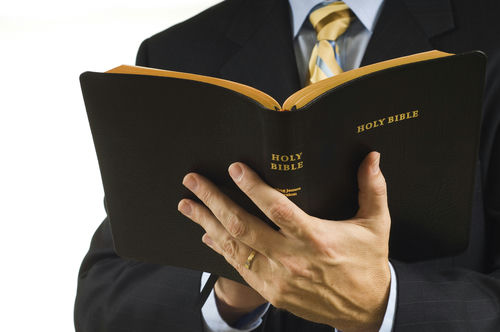
The parliamentary optics fed the narrative. Reports described Conservative MPs holding Bibles during the vote, a visual cue aimed at voters who already feel their institutions are being pushed to the margins. Meanwhile, some Jewish advocacy voices welcomed the law as a needed response to rising antisemitism and threats near places of worship. Those two realities can coexist: protecting worshippers from intimidation is legitimate, and so is fear that speech protections shrink once exemptions disappear.
Protest Rights, “Access Zones,” and the Problem of Enforcement Creep
Critics warn that restrictions meant to stop intimidation can drift into de facto protest bans, depending on how “obstruction,” “interference,” or “intimidation” gets interpreted on the ground. Canada has already wrestled with protest buffer zones around sensitive sites, and the concern is familiar: laws sold as narrowly tailored often widen in practice. A lawful, peaceful protest outside an institution can become a police matter when the political temperature rises.
The BC Humanist Association raised a different critique: laws limiting protest near places of worship can privilege religious institutions over the public’s ability to demonstrate. That’s an unusual alliance point, because it flips the typical script. Conservatives should recognize the warning anyway. When the state starts drawing special perimeters around certain ideas, it eventually draws perimeters around others. The enforcement tool you cheer today becomes the tool used against you tomorrow.
May 1 Protests: What’s Really Being Fought Over in the Streets
Calls to protest on May 1 frame Bill C-9 as a direct threat to Christianity, often using urgent language designed to mobilize churchgoers who feel politically homeless. The more careful reading is this: the protest isn’t just about one bill; it’s about a pattern of governance where speech gets regulated through expanding definitions of harm. That’s why the fight feels existential to people who remember freer decades.
Common sense standards still matter. No conservative case for liberty requires tolerating true threats, vandalism, or blocking people from worship. The real test is whether the law can punish intimidation without penalizing disfavored beliefs, and whether enforcement can resist ideological capture. If your position depends on prosecutors and police always being fair, you don’t have a right—you have a temporary permission slip.
Canada’s Bill C-9 debate will not end with the vote tally. The long-term story will unfold in complaints filed, charges considered, and precedents set—especially when religious speech collides with protected-class politics. Americans watching should see a preview of how “anti-hate” frameworks can evolve: first you protect access to worship, then you redefine what worshippers may publicly say. May 1 protests are the opening scene, not the finale.
Sources:
Canada’s Bill C-9: A Growing Threat to Religious Freedom
Bill C-9, the “Combatting Hate Act,” has passed in the House of Commons. What changes now?