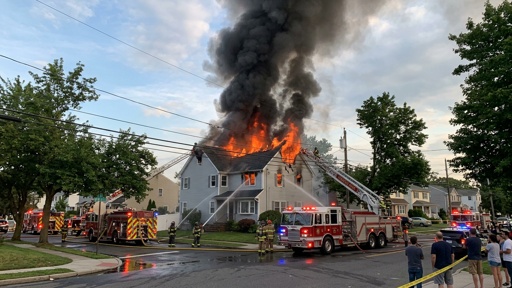
A fast-moving wildfire in southern Spain left victims dead in cars and on foot, turning a local escape into a deadly race against time.
Quick Take
- Authorities said some victims died after trying to flee the blaze by car or on foot.
- The fire spread so fast that officials said it burned about 15 kilometers in two hours.
- Reports said winds near 70 kilometers per hour and temperatures close to 40 degrees made the fire harder to outrun.
- The official death toll changed during the first day of reporting, showing that the picture was still unfolding.
Victims Found in Cars and on Foot
Regional emergency chief Antonio Sanz said seven victims died on foot after leaving their cars, while officials in Andalusia said four others were found inside a burnt-out vehicle. Those two details are the strongest public evidence behind the claim that some people tried to escape and did not make it. The reports do not yet show the exact route each person took or the full sequence of events.
That matters because the story is not just about one wildfire. It is also about how people react when official warnings, fast-moving flames, and unclear road access collide. The reports available so far point to a chaotic scene, but they do not fully prove the exact advice each victim heard, when they heard it, or whether every person could understand it in time.
Fire Behavior Left Little Margin for Error
Multiple reports describe a fire that moved with extreme speed. Andalusian President Juan Manuel Moreno said the blaze advanced 15 kilometers in two hours, and reports also cited winds up to 70 kilometers per hour and temperatures near 40 degrees. In plain terms, that is the kind of fire that can trap people before they can make a safe plan. The speed also helps explain why some victims were found in vehicles instead of far from the flames.
Eyewitness accounts in the coverage compared the fire’s movement to a gunpowder blast and a Formula 1 car, which reinforces how little time people likely had to react. Officials also said about 3,200 hectares burned during the disaster. Even so, the reports do not confirm the fire’s cause. Witnesses mentioned a downed power line, but the regional government had not officially confirmed that explanation in the material reviewed.
What Remains Unclear
The public record is still incomplete on the key question of whether the victims ignored evacuation advice or were trapped by the speed of the blaze. Some reports say authorities believed victims failed to follow shelter or evacuation instructions. Other reports focus more on the fire’s violence and the fact that some victims were found in cars. Those differences matter because they shape whether the deaths are seen mainly as a warning failure, a response failure, or a disaster that moved too fast for either to matter.
Spain’s deadliest wildfire in ~20 years: 12 known dead in Andalusia. Most victims suspected foreign nationals four believed British amid tourists and residents from Germany, UK, Netherlands, Belgium.
Officials went door to door on stay-or-evacuate. Some refused to leave; others… pic.twitter.com/jgURFPlM7W
— Packet Commander ⚡️ (@JAVI_MEI) July 10, 2026
The changing death toll adds another layer of caution. Euronews first reported 12 dead, then corrected the figure to 11, showing that early disaster reporting was still shifting. For readers, the larger lesson is simple. In a fire that spread at extreme speed, small gaps in warning, road access, language, or timing can become fatal very quickly. That is why investigators will need the official orders, the route data, and the first responder accounts before drawing firm conclusions.
Sources:
youtube.com, euronews.com, pbs.org, instagram.com, facebook.com, bbc.com