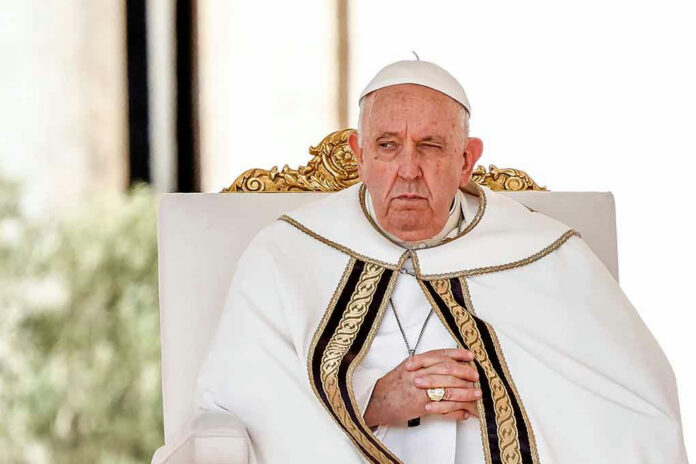
A formal Vatican petition challenging the validity of Pope Benedict XVI’s 2013 resignation has entered a preliminary investigation phase, reigniting a fierce debate among Catholics about papal legitimacy and raising questions about institutional stability within the Church.
Petition Challenges Foundation of Francis Papacy
Andrea Cionci, author of “The Ratzinger Code,” submitted a formal petition to the Vatican City State Tribunal on June 6, 2024, requesting judicial examination of Benedict XVI’s February 2013 resignation. The petition argues Benedict’s Latin declaration renounced the ministerium, the exercise of papal ministry, but not the munus, the papal office itself. This distinction, Cionci claims, renders the abdication canonically invalid under Church law, thereby challenging the legitimacy of Pope Francis’ election thirteen years ago. The petition represents an unprecedented formal legal challenge to a papal resignation within modern Vatican judicial structures.
Vatican Confirms Preliminary Investigation Phase
On March 30, 2026, Vatican Promoter of Justice Alessandro Diddi issued a letter to the petitioners’ lawyer, Roberto Tieghi, denying access to case documents. Diddi confirmed the matter has generated a file and remains in a preliminary investigative phase with no predictable timeline for completion. The letter’s publication sparked immediate controversy, with some Catholic commentators interpreting it as Vatican acknowledgment of serious doubts about Francis’ legitimacy. However, canon lawyers emphasize this procedural response merely indicates the Tribunal is determining whether the petition has any legal standing, not that the Vatican questions Benedict’s resignation itself.
Canonical Experts Reject Validity Questions
Mainstream Catholic canonists unanimously maintain Benedict XVI’s resignation was valid and freely made. Canon 332 §2 of the 1983 Code of Canon Law requires only that papal resignation be made freely and properly manifested, not that it be accepted by anyone. Benedict’s February 11, 2013 declaration explicitly stated he acted “in full freedom” due to advanced age and declining strength. Between 2013 and his death in December 2022, Benedict repeatedly affirmed the validity of his resignation and recognized Francis as his legitimate successor. The College of Cardinals accepted the resignation and elected Francis on March 13, 2013, completing the juridical transfer of authority.
Benevacantist Theory Gains Media Traction
The theory that Benedict remained pope gained traction among some traditionalist Catholics after 2013, fueled by his retention of papal white vestments and the title “Pope Emeritus.” Cionci’s 2022 book popularized the “Ratzinger Code” thesis, claiming Benedict deliberately crafted an invalid resignation to signal he remained the true pope under duress. This “Benevacantist” position, rejected by the Church’s institutional leadership, represents a fracture within conservative Catholicism similar to sedevacantism. The Vatican Tribunal’s procedural acknowledgment of Cionci’s petition has provided these theories new momentum, despite canonical experts’ insistence that no legitimate legal mechanism exists to reverse a papal resignation universally accepted by the Church hierarchy.
Institutional Stability Versus Narrative Power
The controversy illustrates tension between formal Church authority and alternative media influence within Catholic communities. While the Holy See maintains Benedict’s resignation was unquestionably valid and Francis’ legitimacy is beyond dispute, commentators like Patrick Coffin leverage the Tribunal letter to advance theories of institutional crisis. The Vatican’s judicial structures were never designed to adjudicate papal resignations after acceptance by the College of Cardinals and worldwide episcopate. Canon lawyers note the petition’s fundamental flaw: Church law provides no procedure for a tribunal to invalidate a papal resignation once enacted. The preliminary investigation likely represents bureaucratic review before dismissal, not substantive examination of Francis’ legitimacy.
Sources:
Online claims of Pope Benedict’s resignation misread Vatican legal procedure – The Catholic Herald
Resignation of Pope Benedict XVI – Wikipedia