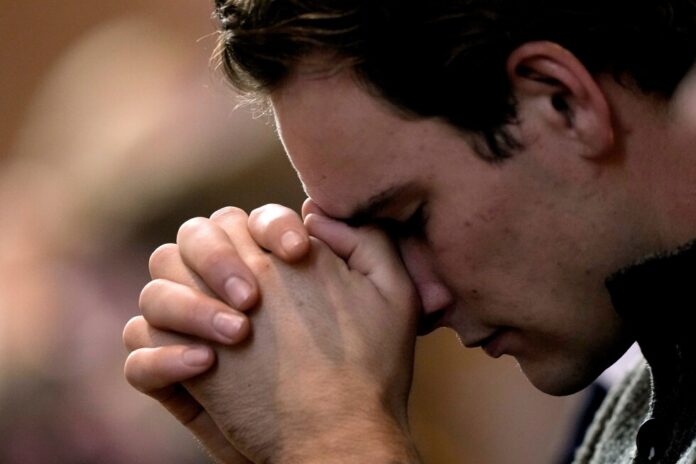
A new Gallup poll reveals a dramatic shift in religious devotion among young Americans, with men under 30 now significantly more likely than women to prioritize faith in their lives. The reversal marks the first time since 2000 that young men have overtaken women on this measure, signaling what experts call a seismic change in American religious life.
The Numbers Behind the Shift
According to Gallup data spanning 2024 to 2026, 42% of men ages 18 to 29 now say religion is very important to them, up from just 28% in 2022-2023. During the same period, religious importance among young women remained essentially flat at around 30%. The gap represents a stunning reversal from previous decades when young women consistently reported stronger religious attachment than their male peers. Among Americans over 30, women still maintain higher religiosity levels than men.
Political Divide Drives the Trend
The increase in religious devotion appears concentrated among young Republicans. Weekly church attendance among Republican men under 30 has climbed steadily since 2019, while attendance among young Democratic men has declined. The pattern holds for women as well, with about 60% of young Republican women attending services at least monthly, compared to roughly 25% of Democratic women in the same age group. The data suggests deepening political polarization extends into religious participation.
Why Young Men Are Returning to Church
Ryan Burge, a political scientist at Washington University in St. Louis and longtime pastor, attributes the shift to young men seeking spaces where they feel valued. He argues that religious institutions remain one of the few places where white men don’t feel pressured to apologize for their identity. American religious life continues to be dominated by white male leadership, creating an environment that some young men find welcoming amid broader cultural changes emphasizing diversity and inclusion.
Implications for America’s Future
Burge warns the trend could reshape how future generations are raised, potentially affecting the nation’s religious landscape for decades. If more fathers prioritize religion than mothers, children may receive different spiritual formation than in previous eras. Meanwhile, surveys show young women increasingly view religious institutions as patriarchal, particularly on issues like abortion morality. Only about 20% of men and women under 65 consider divorce morally wrong, but young women show significantly lower concern about abortion’s moral status compared to other demographic groups.