A Minnesota fraud committee says a sitting member of Congress helped open the door to a $250 million COVID-era food program scam—and she didn’t show up to answer questions.
Why Omar’s no-show matters to an oversight committee
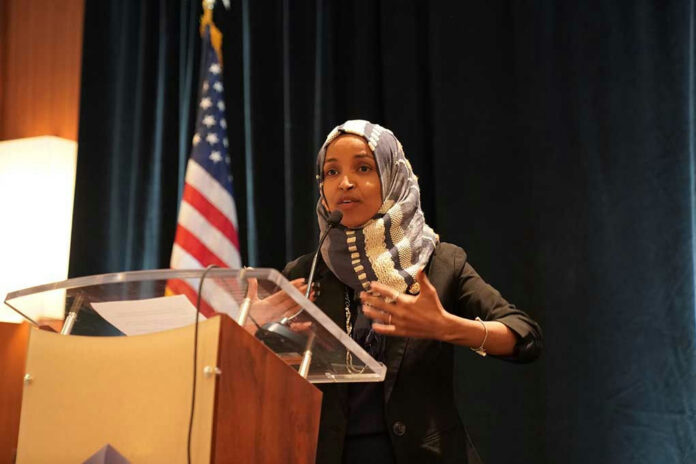
Minnesota’s House Fraud Prevention and State Agency Oversight Committee held a hearing on April 22, 2026 focused on accountability after the Feeding Our Future case, one of the largest pandemic-era public fraud schemes tied to child nutrition reimbursements. Committee leaders said they repeatedly invited Rep. Ilhan Omar to testify or provide a statement and received no response. Their timeline included letters in March, voicemails, and an April scheduling-portal request.
Republicans framed Omar’s absence as the central story because it blocks a basic oversight function: asking a lawmaker to explain how a fast-moving emergency policy was drafted and communicated, and what guardrails were considered. Democrats and Omar’s allies have argued in other contexts that such probes can turn into political theater. Still, when public money is lost on this scale, the burden shifts toward transparency—especially for public officials tied to key policy changes.
How the MEALS Act became a flashpoint in the Feeding Our Future scandal
At the hearing, GOP members highlighted Omar’s 2020 MEALS Act, which was folded into the Families First Coronavirus Response Act during COVID-19. The practical controversy is not that emergency waivers existed—many did—but that relaxing rules for who could serve meals and claim reimbursements made it easier for bad actors to scale up false claims. Prosecutors say Feeding Our Future and connected operators used shell entities to bill for meals that were never served.
The known baseline facts are stark: federal authorities have described losses exceeding $250 million, and the case has produced a long list of defendants and guilty pleas. The committee’s criticism focuses on the policy environment created in 2020 and 2021 and whether Minnesota’s oversight systems—and federal waiver structures—were too permissive. That debate matters nationally because future emergencies will tempt Congress to cut similar corners in the name of speed.
The video evidence and what it can—and can’t—prove
Committee members played video of Omar promoting the MEALS Act to Somali constituents and connected that outreach to Safari Restaurant, a site later described as a top fraud location tied to the scheme. The political implication is straightforward: if a member of Congress publicly encouraged participation in a program later exploited by organized fraud, investigators want to know what due diligence occurred and who received guidance behind the scenes.
At the same time, the reporting summarized here does not establish direct proof that Omar knew a fraud ring was operating, directed fraudsters, or benefited financially. The strongest documented points are circumstantial: the legislation loosened access, the fraud concentrated in specific networks, and Omar promoted the program in the community where significant fraud later surfaced. That gap between “enabled” and “knowingly assisted” is precisely why testimony would matter.
Broader lessons for taxpayers, trust, and a government that keeps failing basic tests
The Feeding Our Future scandal lands at an ugly intersection of problems voters across the spectrum recognize: enormous emergency spending with weak controls, slow-moving bureaucracies that miss obvious red flags, and political incentives that reward messaging over accountability. Conservatives tend to see this as a predictable result of Washington’s reflex to spend first and audit later. Many liberals worry the fallout stigmatizes immigrant communities and harms legitimate anti-hunger work.
Rep. Ilhan Omar Pulls a 'Who Do You Think You Are' Moment As She Blows Off Minnesota Fraud Hearinghttps://t.co/PwK7IpIxHk
— RedState (@RedState) April 23, 2026
Both concerns can be true at once. The public record described in these sources shows serious criminal conduct by multiple defendants and ongoing prosecutions, alongside unresolved political questions about who wrote the rules and how they were promoted. The committee says it plans to pursue additional outreach to Omar for testimony or statements. Until she responds, the vacuum will be filled by partisan narratives—while taxpayers are left wondering why government systems were so easy to game.
Sources:
Minnesota fraud committee suspects Ilhan Omar of involvement in Feeding Our Future scheme
Omar refuses to attend fraud hearing
Ilhan Omar: federal probe into Minnesota welfare fraud (Face the Nation)