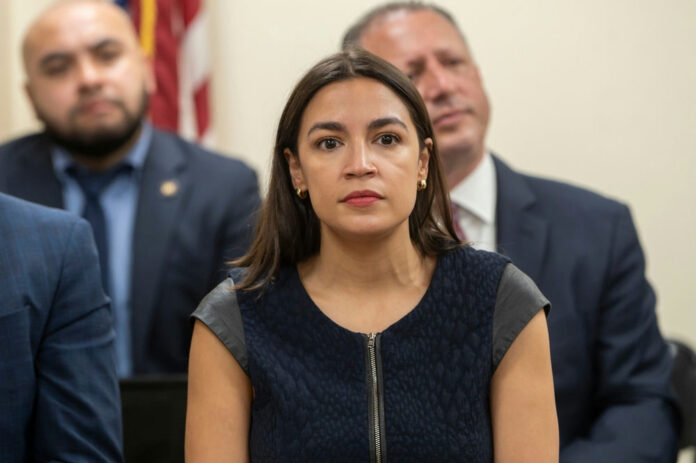
Pennsylvania Governor Josh Shapiro is orchestrating a behind-the-scenes campaign to block a progressive congressional candidate backed by Alexandria Ocasio-Cortez, turning a local midterm primary into an explosive preview of the 2028 Democratic presidential battle.
The Lehigh Valley Showdown That Could Shape a Presidential Race
Pennsylvania’s 7th Congressional District was not supposed to matter this much. Freshman Republican Rep. Ryan Mackenzie, vulnerable after riding Trump’s coattails, faces a crowded Democratic primary field eager to flip the seat. But Shapiro saw something bigger: a chance to prove centrists can win in battlegrounds where progressives falter. His quiet push for firefighters union leader Bob Brooks over an AOC-endorsed progressive candidate turned a local race into a national litmus test. The May 19 primary became ground zero for a Democratic civil war, pitting Shapiro’s pragmatic coalition-building against AOC’s grassroots ideological fervor in Pennsylvania, the nation’s largest swing state with 10 electoral votes.
Shapiro’s strategy reveals calculated ambition. By late 2025, he began reshaping Pennsylvania’s Democratic infrastructure, recruiting moderate candidates like Brooks and Bob Harvie for the 1st District while encouraging rivals to abandon crowded primaries. His spokesperson, Manuel Bonder, framed it as commitment to “flipping the House,” but insiders saw transparent 2028 positioning. Democratic ad producer J.J. Balaban noted that midterm wins would give Shapiro a “proven record” for primary voters skeptical of his 4 percent national polling. Larry Ceisler, a Philadelphia executive who knows the governor, called House victories a “bonus” atop Shapiro’s personal ambitions, a polite way of saying the tail wags the dog.
Clearing Fields and Making Enemies
Shapiro’s field-clearing tactics sparked backlash from progressive organizations like EMILYs List, which backed alternative candidates in PA-07 only to watch them sidelined by Shapiro’s institutional muscle. The governor’s operation mirrors his broader approach across four targeted districts, including PA-10 where he championed Brooks against incumbent Rep. Scott Perry. In PA-03, progressives poured over one million dollars into Chris Rabb’s campaign, a direct counter to Shapiro’s centrist pipeline. This tug-of-war exposes a fundamental Democratic rift: Shapiro’s camp believes swing-state victories demand moderate candidates who appeal to suburban and union voters, while AOC’s progressives argue bold policy platforms energize turnout better than cautious centrism ever could.
The proxy war’s stakes extend far beyond congressional seats. Shapiro’s 2022 gubernatorial landslide, a 15-point margin that bucked Democratic losses nationally after Trump’s 2024 Pennsylvania victory, positioned him as the party’s swing-state savior. Yet his national profile languishes; polling at 4 percent for 2028 against heavyweights like Gavin Newsom and Kamala Harris suggests name recognition lags far behind results. Flipping multiple House seats would validate his electability argument and secure endorsements from grateful representatives. Failure, however, would embolden progressives to claim centrists cannot mobilize voters in Trump-won territory, potentially sidelining Shapiro before 2028 primaries even begin. Republicans, led by his reelection challenger Stacy Garrity, exploit this infighting to fracture Democratic unity.
The 2028 Shadow Campaign Hiding in Plain Sight
Shapiro denies formal endorsements in PA-07, but his actions speak louder. Headlining Brooks’s fundraisers, steering party resources, and publicly framing midterms as a check on Trump’s “excesses” during a May 2026 interview all signal clear preferences. AOC, for her part, leverages her national progressive network to counterbalance Shapiro’s state-level dominance, turning the race into a referendum on Democratic direction. Political observers note the parallels to 2022’s Squad versus establishment clashes, but this time the battleground is a pivotal swing state where losing could cost Democrats the House. Pennsylvania voters in the Lehigh Valley, caught between union appeals and progressive promises, will decide more than their congressman; they will choose which vision guides Democrats into the next presidential cycle.
The outcome of the May 19 primary will reverberate instantly. A Brooks victory cements Shapiro’s kingmaker status, proving centrists can dominate progressive challengers even in contested territories. It would flood the general election with fundraising dollars and party infrastructure, likely flipping PA-07 and bolstering House Democrats’ majority hopes. An AOC-backed win, conversely, signals that progressive energy trumps institutional gatekeeping, potentially reshaping how Democrats approach swing districts nationwide. For Shapiro, the risks are existential: his entire 2028 rationale hinges on demonstrating electability in battlegrounds where Biden and Harris stumbled. Losing his own backyard to AOC’s movement would shatter that narrative before he even announces a presidential run, handing ammunition to rivals who argue Pennsylvania’s governor cannot deliver beyond state lines.
What Happens When Moderates and Progressives Collide
This is not merely insider baseball. Voters face real consequences. Shapiro’s union-backed candidates promise bipartisan appeal and funding firepower to compete in general elections against entrenched Republicans. Progressives counter that moderate caution repeats 2024 mistakes, where tepid messaging failed to energize base turnout. Union workers in Lehigh Valley and Philadelphia suburbs see Brooks as one of their own; progressive activists view him as a Shapiro puppet sacrificing bold policies for corporate-friendly centrism. The tension reflects a party struggling to reconcile its working-class roots with younger, diverse coalitions demanding systemic change. Whoever wins PA-07 will claim their strategy works, setting the template for dozens of 2026 races and the 2028 presidential primary’s ideological battles.
Shapiro’s 36-million-dollar war chest for his own reelection dwarfs Republican Garrity’s resources, insulating him from immediate political fallout if his congressional gambit fails. But money cannot buy credibility lost to intraparty defeats. AOC, polling far stronger nationally among progressives than Shapiro does overall, has less to lose; a PA-07 win validates her influence beyond safe New York districts, proving she can compete in Trump territory. The governor’s gamble assumes voters reward pragmatism over passion, a bet Democrats lost in 2024 when Trump reclaimed Pennsylvania by energizing his base while Democrats fractured over Biden’s diminished appeal. Shapiro’s team insists 2026 is different, that post-Trump exhaustion will favor steady moderates. Progressives argue exhaustion demands inspiration, not more of the same cautious incrementalism that cost them the White House.
Sources:
Shapiro’s strategy for 2028 White House run starts with 2026 – Axios
5/11 Playbook: Inside the AOC vs. Shapiro Proxy War – PoliticsPA