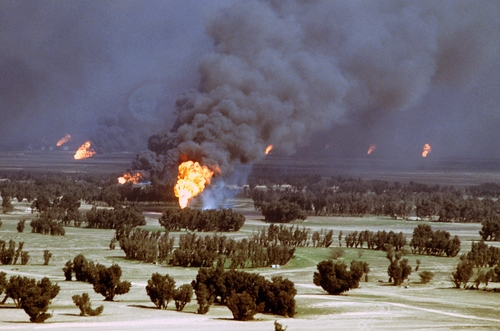
As Utah wildfires explode across the state, a statewide Fourth of July fireworks ban is raising serious questions about freedom, safety, and government power.
Story Snapshot
- Utah’s governor declared a state of emergency and banned personal fireworks through July 5 as massive wildfires burn.
- The Cottonwood and Iron fires have scorched tens of thousands of acres, in extreme drought and dangerous wind.
- Nearly 80% of recent Utah fires are human-caused, with fireworks listed alongside cars, debris burns, and target shooting.
- Local fireworks businesses and some lawmakers say the order oversteps state law and may be impossible to enforce.
Emergency Order Turns Independence Day Into a Test of Government Power
Utah Governor Spencer Cox signed an executive order declaring a state of emergency and banning personal fireworks statewide until July 5 after a surge in dangerous wildfires.[3] The order came as the Cottonwood Fire grew past 70,000 acres with zero containment and the Iron Fire burned more than 37,000 acres, threatening homes, ranch land, and critical infrastructure.[3] State leaders say the goal is to reduce new fire starts during the high-risk Independence Day window while crews fight existing blazes.[10]
Governor Cox’s order does more than set a temporary safety rule; it reaches into areas that state law previously kept off limits. In 2024, lawmakers had restricted the state forester’s power to ban fireworks in urban areas, leaving much of that control to local cities.[8] Cox’s executive order overrides that statute for now and gives the forester authority to prohibit personal fireworks statewide, including in dense neighborhoods that usually host large holiday celebrations.[8]
Drought, Human-Caused Fires, and a Rare Federal Warning
Utah’s fire experts say the emergency is fueled by a mix of deep drought, heat, and wind that has turned the state into a tinderbox.[12] State Forester Jamie Barnes reported that all 29 Utah counties are in severe drought, with 22 in extreme drought, following a historically low snowpack and dry spring.[3] Forecasts call for winds up to 50 miles per hour and humidity in the single digits, conditions that can turn a small spark into a fast-moving wall of fire in minutes.[10]
Officials stress that most of Utah’s recent fires are not random acts of nature but start with people. Barnes said nearly 80% of wildfires in the state this year have been human-caused, with ignition sources including vehicles dragging chains, debris burns, target shooting, and fireworks.[3] That matches wider drought and wildfire research showing that dry, hot, and windy weather combined with dried-out vegetation sharply raises the odds that any ignition will spread into a large fire.[12] For state leaders, these numbers justify strict limits on anything that throws sparks while the emergency lasts.
Largest Wildfire in the Nation and Strained Firefighting Resources
The Cottonwood Fire has become the largest wildfire currently burning in the United States, drawing national attention and federal support.[3] As it passed the 70,000-acre mark with no containment, and the Iron Fire reached about 37,000 acres with limited control lines, Utah’s firefighting forces were pushed to the edge.[3] Governor Cox warned that the state has no top-tier “type one” hand crews available to attack new fires, meaning fresh ignitions could outpace the crews still fighting the biggest blazes.[10]
Utah has set aside about $120 million for fire suppression and land rehabilitation, while the Federal Emergency Management Agency (FEMA) is expected to cover 75% of suppression costs on federal lands.[3] Even with that money, there are physical limits: fire engines, aircraft, and hand crews can only be in so many places at once. That reality is driving the push to cut down on preventable fires so existing crews are not overwhelmed by multiple major incidents at the same time.[10]
Rare Federal ‘Particularly Dangerous Situation’ Warning Backs the Ban
The National Weather Service office in Salt Lake City issued a “particularly dangerous situation” red flag warning for parts of Utah, a label almost never used and, according to reports, a first for that office.[8] That warning signals a high likelihood of rapid fire growth and extreme behavior if any fire starts, especially under strong winds and extremely low humidity. Meteorologists described a rare major risk of critical fire weather conditions stretching over large areas of the state.[1]
National drought monitors show embedded pockets of extreme to exceptional drought extending across the West, with Utah among the hardest-hit states.[13] At least three Utah fires had already burned more than 10,000 acres by late June, with more than half a dozen large fires across the region.[13] These conditions give strong backing to the governor’s claim that the wildfire crisis is not routine and that extraordinary steps, including fireworks limits, are needed to prevent further disaster while crews battle the biggest blazes.[3]
Fireworks Industry, Citizens, and Lawmakers Push Back
The statewide ban has sparked anger and legal questions among Utah fireworks sellers and many residents who see the order as government overreach during a cherished national holiday. Brian Leahy, a co-owner of a personal fireworks company, said he has attorneys reviewing the order and claimed “no municipality can enforce this and sales will continue unrestricted,” directly challenging its legality and reach.[11] His company plans to continue selling fireworks, arguing the order does not clearly block sales and may not stand up in court.[14]
JUST IN: Mayor Mark Anderson announced Logan City’s full support for the statewide fireworks ban implemented yesterday by Utah Governor Spencer Cox. Personal fireworks are prohibited July 2–5, but the city's July 3 professional fireworks show will go on as planned. pic.twitter.com/xbct2duxsM
— KSL 5 TV (@KSL5TV) June 26, 2026
Opponents also warn the ban could backfire by driving people to light fireworks in remote desert areas, far from city rules and enforcement.[14] They argue that fires in these areas are harder to control and may spread faster over dry grass and brush, making the ban counterproductive. Some lawmakers have voiced concerns about the emergency order too, questioning whether the governor should be able to override a recent statute and expand state power this far without a full legislative debate.[3] That friction sets up a likely fight over how far emergency authority should go when public safety and personal freedom collide.
Sources:
[1] Web – Utah declares state of emergency — and restricts fireworks as US …
[3] Web – Utah governor restricts fireworks as largest U.S. wildfire surges …
[8] Web – Utah declares state of emergency, restricts fireworks as US largest …
[10] Web – Utah restricts fireworks, declares state of emergency as largest US …
[11] Web – Utah restricts fireworks, declares state of emergency as largest US …
[12] Web – Utah governor declares state of emergency banning fireworks for …
[13] Web – Drought and Wildfire Management Impacts – Drought.gov