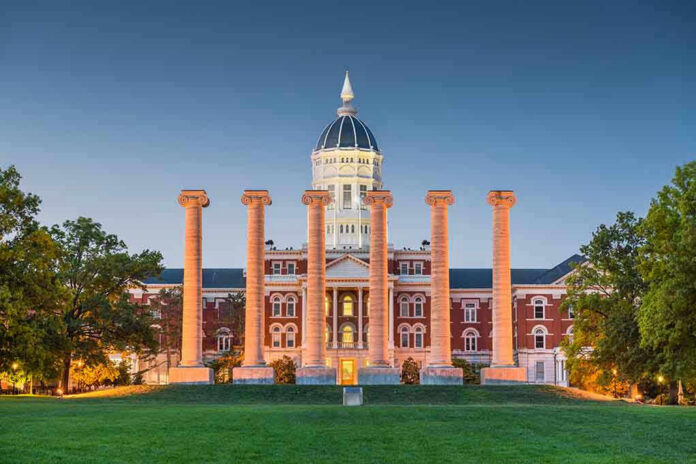
Americans now trust colleges so little that one in three say the system is heading in the wrong direction and no longer delivers on the promise of the American Dream.
Story Snapshot
- Public confidence in higher education has fallen from strong majority support to barely 4 in 10, with only a brief rebound before slipping again.
- Most adults who lack confidence blame three things: politics in the classroom, weak job preparation, and high costs that leave families buried in debt.
- Republicans have turned sharply against colleges, while Democrats are still mostly supportive, creating a deep partisan divide over one of America’s core institutions.
- Current students and graduates say college still helps their careers, revealing a striking gap between lived experience on campus and public anger from the outside.
Confidence Crash: From Promise to Doubt
Gallup’s long-running surveys show a clear slide in trust. In 2015, about 57% of adults said they had “a great deal” or “quite a lot” of confidence in higher education. By 2023 and 2024, that number had dropped to roughly 36%, meaning only about one in three Americans still expressed high confidence. In 2025, trust ticked up to 42%, the first increase in a decade, but new data in 2026 shows it slipping again to around 38%. The trend line is bumpy, yet it clearly points downward over time.
Pew Research and other analysts say this is part of a wider loss of faith in major institutions, from Congress to the media. Seven in ten Americans now believe the higher education system is “heading in the wrong direction,” which fits a broader feeling that national leaders are serving themselves, not the public. For many voters on both the right and the left, college has shifted from symbol of opportunity to symbol of a rigged system where insiders profit while ordinary families struggle to keep up.
Why Americans Say Colleges Are Failing Them
When Gallup asked adults who had little or no confidence in higher education why they felt that way, three answers dominated. Many said colleges push political agendas rather than focus on teaching, with conservative Americans especially likely to see campuses as hubs of liberal ideology. Others pointed to poor job preparation, saying schools teach theory but not the skills that lead to good pay and stable work. Rising costs and student debt rounded out the top complaints, as families watch tuition climb while wages stagnate.
These worries track with hard numbers on cost and debt. Analysts report that student loans total around $1.6 trillion nationwide, up more than 40% over the past decade. Surveys find that 79% of adults give colleges low marks for keeping tuition affordable, and only about 22% believe a four-year degree is worth it if it requires taking on loans. For Americans already angry about inflation, housing prices, and health care bills, college looks like one more gateway controlled by elites, with a high toll and no guaranteed payoff.
Partisan Divide and the Perception Gap
The confidence crash is not evenly spread. Gallup’s data shows the steepest declines among Republicans and conservatives. In 2015, a majority of Republicans felt confident in higher education; by 2025 that share had fallen to roughly 26%, while Democratic confidence stayed near 60%. Republican respondents often said colleges are “too liberal,” that professors push one side of politics, or that students are discouraged from thinking for themselves. Many Democrats, by contrast, still see college as a path to opportunity but worry about cost and access more than campus ideology.
#BreakingNews #Education #HigherEducation #College #University #Gallup #StudentDebt #CollegeCosts #AI #ArtificialIntelligence #Workforce #MyInfoJet
Confidence in U.S. Colleges Falls to Record Low as Americans Question Cost, Politics, and Career Valuehttps://t.co/m8dggV1w0d
— Chukwudi Obinwa (@ObinwaChukwudi) July 15, 2026
At the same time, new Lumina–Gallup research highlights a striking perception gap between the public and people who actually attend college. About 90–93% of current students say they are learning skills they need for work, and three out of four alumni say their degree was critical or important to their career success. Most students, including from different political backgrounds, tell pollsters they feel encouraged to share their views on campus and that they belong there. This inside view does not erase public anger, but it suggests the story is more complex than “college is broken” or “college is brainwashing kids.”
Deeper Fears About a System That No Longer Works
Many Americans now talk about higher education the same way they talk about Washington, D.C.: captured by elites, insulated from everyday life, and slow to fix obvious problems. Think tanks and foundation reports warn of “regulatory capture,” where boards and agencies overseeing colleges are filled with higher-ed insiders who resist tough transparency rules on cost and results. Families on both the right and left see glossy campus marketing and upbeat media coverage, then compare it to debt statements and wages that do not match the promise. That gap feeds the belief that the system serves its own leaders first.
Some experts say better data and more honesty could narrow the trust gap. Ideas include program-level “return on investment” dashboards that show real costs, typical graduate earnings, and job placement rates for each major, instead of just average figures. Others call for independent audits of campus speech rules and viewpoint diversity, so people can see whether claims of political indoctrination are real or exaggerated. Until colleges open their books and their practices to that level of scrutiny, anger about cost, bias, and broken promises is likely to keep growing, even as many students quietly keep getting value from their degrees.
Sources:
facebook.com, news.gallup.com, gallup.com, washingtontimes.com, ednc.org, forbes.com, aau.edu, aol.com, foxnews.com, heterodoxacademy.org