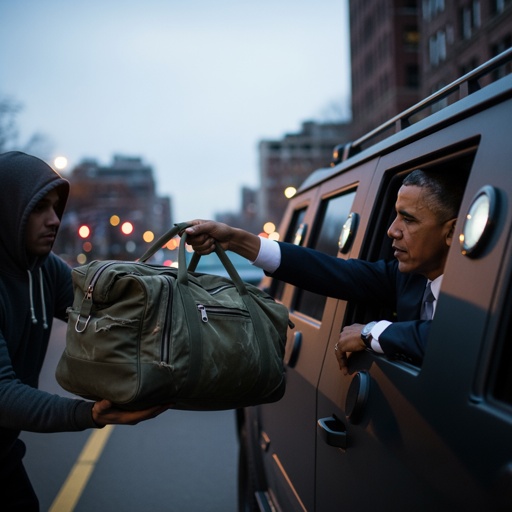
Former CIA analyst John Kiriakou accuses U.S. leaders under Obama and Biden of forming a “cabal of criminals,” exposing deep corruption that punished whistleblowers while shielding torture architects and hoax fabricators.
Kiriakou’s Whistleblower Persecution
John Kiriakou joined the CIA in the 1990s as a counter-terrorism officer targeting groups like Abu Nidal and PFLP after 9/11. In 2007, he confirmed CIA waterboarding of detainees in an ABC interview, becoming the first official to publicly expose the torture program. The Obama administration prosecuted him under the Espionage Act in 2012, sentencing him to 30 months in federal prison where he served nearly two years. He lost his job, pension, and endured family hardship, marking him as the only CIA official jailed for the program despite Bush-era origins.
Selective Pardons Expose Elite Favoritism
Kiriakou appealed directly to Obama for a pardon between 2016 and 2020, but Obama denied it while granting clemency to Chelsea Manning, a leaker of military secrets. Trump pardoned other allies but overlooked Kiriakou. Biden’s administration finally issued a pardon after 2021, which Kiriakou dismissed as tainted by Biden’s alleged dementia and political maneuvering. This pattern reveals pardons as tools for loyalty, not justice, sidelining true whistleblowers who challenge intelligence abuses. Conservatives see this as Deep State protectionism undermining accountability.
Deep State Ties to Russia Hoax Revelations
Recent developments link Kiriakou’s ordeal to broader corruption. Tulsi Gabbard, as DNI, released a 100+ page declassified report with emails and memos implicating Obama, John Brennan, James Comey, Susan Rice, and James Clapper in fabricating 2016 Russia collusion intelligence against Trump. The DOJ confirmed a criminal referral on these claims. Ex-FBI official Jody Weis labeled it the “biggest political scandal in my lifetime” if proven, urging indictments. Investigations into Comey and Brennan proceed without confirmed charges yet.
Power dynamics place Obama and Brennan at the cabal’s apex, using DOJ and FBI to silence dissenters via Espionage Act prosecutions. This chills national security whistleblowing and erodes agency credibility, validating long-held concerns about politicized intelligence.
Implications for American Trust and Reform
Short-term, these revelations fuel Deep State narratives, polarizing discourse while boosting anti-establishment voices across the political spectrum. Long-term, they could validate Trump-era claims, spur Espionage Act reforms, and highlight pardon abuses. Whistleblowers suffer jail and lost pensions; the public faces diminished faith in elections and intelligence. Both conservatives frustrated by globalist overreach and liberals wary of elite corruption share outrage at a government failing the American Dream of hard work and initiative. Bipartisan demand grows for leaders who prioritize citizens over self-preservation.