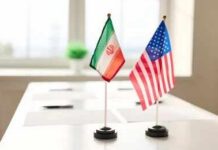
President Trump ordered U.S. forces to attack Iranian vessels laying mines in the Strait of Hormuz as a critical maritime standoff leaves global shipping at a near-total halt. The president defended his decision despite warnings of higher gas prices, declaring Americans would rather pay more at the pump than allow Iran to develop nuclear weapons capable of destroying U.S. cities.
Blockade Forces Redirect 33 Vessels
U.S. Central Command confirmed 33 commercial ships have been redirected since the blockade against Iranian ports began. American forces also boarded another tanker suspected of smuggling Iranian oil, intensifying the naval confrontation. The Strait of Hormuz, a narrow waterway connecting the Persian Gulf to global markets, handles roughly 21 percent of the world’s petroleum. The standoff has created an effective chokepoint for international trade, with shipping companies forced to reroute or delay deliveries.
Iranian Foreign Minister Abbas Araghchi responded to the escalation by declaring the battlefield and diplomacy are coordinated fronts in the same war. His comments appeared directed at Trump’s earlier social media post claiming infighting between hardliners and moderates within Iran’s government. Iran’s Supreme Leader Mojtaba Khamenei warned citizens to resist enemy media operations designed to undermine national unity and security.
Israel-Lebanon Ceasefire Talks Move to White House
Amid the Iran crisis, diplomatic efforts continue between Israel and Lebanon. The next round of ambassador-level negotiations will take place at the White House rather than the State Department, with Trump personally greeting both representatives. Secretary of State Marco Rubio and other senior officials will participate in discussions aimed at extending the fragile 10-day ceasefire agreed to last week. The talks follow historic direct negotiations between the two countries, the first in decades.
What This Means
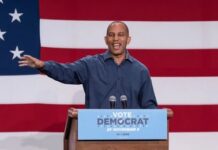
Trump dismissed concerns about pressure to resolve the Iran conflict quickly, posting on Truth Social that he remains the least pressured person to hold his position. He emphasized time works against Iran, not America, and any deal must serve U.S. interests and global security. When asked about rising gas prices, the president acknowledged Americans would face higher costs for a little while but framed the sacrifice as necessary to prevent nuclear catastrophe. The maritime blockade represents the most direct military confrontation between the U.S. and Iran in years, raising stakes across the Middle East.