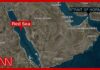
Iran has turned the Strait of Hormuz into a pressure point again, and reports now say the Red Sea may be next.
Quick Take
- Iran has tightened control over shipping in the Strait of Hormuz, according to multiple reports.
- Reports say Iran is now signaling that Houthi allies could help threaten the Bab el-Mandeb route.
- The move matters because both chokepoints sit on major energy and trade lines.
- President Donald Trump faces new pressure because the disruption affects both security and markets.
Hormuz Becomes a Tool of Leverage
Iran’s latest moves in the Strait of Hormuz show a simple goal: turn geography into leverage. Reporting says Tehran has used threats, new rules, and selective passage to shape who can move through the waterway. The Strait of Hormuz handles a huge share of global oil and gas traffic, so even small changes can raise costs far beyond the Gulf.
That matters because Iran does not need naval dominance to cause pain. It only needs enough control to slow ships, raise insurance costs, and force talks. Analysts quoted in recent reporting say Iran has shifted from pure disruption to a more formal system that can include tolls, permissions, and warning rules for vessels. That gives Tehran a way to collect money and exert pressure at the same time.
The Red Sea Raises the Stakes
The new concern is the Red Sea. Reuters reported that after choking off shipping through Hormuz, Iran is signaling it could use Houthi allies to shut the Bab el-Mandeb gateway to the Red Sea. That route links the Red Sea to the Indian Ocean and sits near one of the world’s busiest shipping lanes. If both chokepoints come under pressure, the effect on trade would be wider and harder to contain.
This is why the story reaches beyond Iran and the Gulf. Security analysts have long warned that chokepoints let weaker powers create outsized damage without matching the United States ship for ship. Iran’s use of the Houthis fits that pattern. It lets Tehran threaten another route without needing to move a large navy into the area. For Washington, that creates a two-front maritime problem instead of one.
What It Means for Trump and the Region
The political problem for Trump is not just military. It is also economic and diplomatic. A tighter grip on Hormuz and pressure in the Red Sea can push up costs for fuel, shipping, and insurance, while also forcing direct talks about access and conditions. Recent reporting says Iran is trying to keep its leverage even after fighting and ceasefire talks, which suggests the waterway is now part of its bargaining strategy.
It appears that the Houthis in Yemen have been tasked with transforming Bab al-Mandab into an operational alternative to the Strait of Hormuz, given Iran's declining ability to use the latter as leverage due to American military strikes. With the Houthis already rushing to…
— خليل العمري Khalil Muthanna (@KhalilAlomary90) July 23, 2026
That leaves the United States with an old problem in a sharper form. It can send ships and issue warnings, but it cannot erase the map. Iran’s advantage comes from narrow sea lanes that the global economy still depends on. For readers frustrated by a government that looks reactive instead of in control, this is a reminder of how fast local conflict can become a global bill paid by ordinary people.
Sources:
19fortyfive.com, dw.com, globalpi.org, niacouncil.org, mecouncil.org, cnn.com, reuters.com, irananalytica.org, besacenter.org, almendron.com, jpost.com, en.wikipedia.org, ionanalytics.com